Old Meets New
Vibe Coding a Real-Time Control System for a 97-Year-Old Building
One engineer built a complete smart building system - digital twin, fault detection, room-by-room temperature control - almost entirely with AI. In about two weeks. No development team. No six-figure budget.
The rules of building software just changed.
For decades, creating a bespoke control system for a building - or a factory floor, or a fleet of vehicles - required a team of developers, months of integration work, and a budget that priced out most organizations before the project even started.
That's no longer true.
AI-accelerated development - sometimes called Vibe Coding - is collapsing the time, cost, and expertise barriers that kept custom software out of reach. We're not talking about AI autocompleting a line of code. We're talking about handing an AI agent a detailed specification and watching it architect, build, and iterate on a complete system.
This changes who gets to build software, how fast it gets built, and what problems become worth solving.
A complete control system. Built by AI. In two weeks.
Edward wrote a detailed requirements specification, fed it to an AI coding agent, and built the entire system through specification-driven development - testing every component along the way.
Physics-Based Digital Twin
A simulation of the entire building - rooms, radiators, steam flow, heat loss, outdoor weather. Develop, test, and validate entirely in software before deploying to the real thing.
Twin Manager
A web interface where a building manager sets up apartments, rooms, control parameters, and deployment preferences. Designed for incremental rollout - one room at a time.
Control Layer
The brain. Subscribes to temperature sensor data via MQTT, runs all control logic and diagnostics, and publishes commands to radiator valves and the boiler.
Simulation Tuner
A testing interface for injecting fault conditions into the digital twin in real time. Open a window. Kill a valve. Drop a sensor. Watch how the system responds.
Home Assistant Dashboard
The day-to-day operational UI. Live temperatures, setpoints, boiler status, and fault alerts. Built on the open-source Home Assistant platform.
MQTT Messaging
The connective tissue. Every process publishes and subscribes through a central message broker. Swap any component without touching the others.
Specification-driven AI development. Step by step.
This isn't "ask ChatGPT to fix a function." It's a disciplined methodology for building complete systems with AI.
Define requirements before touching the AI
A detailed requirements document covering functional requirements, constraints, architecture, and deployment goals became the AI's source of truth.
Design the architecture first
Process boundaries, messaging schemas, data flows, and integration points - all defined by a human before any code was generated.
Feed the spec as a corpus to the AI agent
The requirements document was loaded into the AI, giving it persistent context about the entire system across every session.
Write tests before code. Always.
Test-driven development was the single most important practice. Tests defined what 'correct' looks like before the AI wrote the implementation.
Iterate: build, test, walk away, think, return
Intermittent bursts of work with days away thinking. Distance from the code created clarity about what to build next.
Commit frequently. Checkpoint everything.
GitHub commits served as safety nets. When the AI went off track, there was always a known-good state to return to.
Let emergent capabilities emerge.
Open window detection wasn't planned - it appeared because the architecture supported it. The discipline is knowing when to follow and when to stay on track.
This isn't just a technical achievement. It's an economic one.
When the cost of building a custom solution drops by an order of magnitude, problems that were never worth solving become solvable overnight.
| Metric | Traditional | AI-Accelerated |
|---|---|---|
| Development time | 3–6+ months | ~2 intermittent weeks |
| Team required | 2–5 engineers + integrator | 1 domain expert + AI agent |
| Hand-written code | 100% | Near 0% |
| Architecture | Vendor-locked, proprietary | Open-source, modular |
| Deployment | Big bang - whole building | Incremental - one room at a time |
| New capabilities | Only what's specified | Emergent features from architecture |
What you'll get from this session.
A real understanding of Vibe Coding
What it actually is, how it differs from code autocomplete, and when it's the right approach. Not hype. Demonstrated methodology.
A live system demo
Watch the digital twin, control layer, fault detection, and Twin Manager running in real time.
A framework for spec-driven AI development
The step-by-step process from requirements document to working system. Applicable to any industry.
Honest lessons from the build
Where AI excelled, where it broke down, and how test-driven development saved the project.
A business case for AI-accelerated prototyping
How to evaluate whether a problem is a candidate and how to frame the ROI for stakeholders.
Practical next steps
What to open, what to type, and how to structure your first specification-driven AI project. Concrete, actionable guidance.
Built for builders, operators, and decision-makers.
Developers & Engineers
Full system development driven by specifications, not prompts. See what's possible and where the guardrails are.
Building & Facility Professionals
A real, low-cost path to smart building capabilities that doesn't require a commercial BMS or a six-figure contract.
Product Managers & Technical Leaders
A case study in what one domain expert with clear specifications can accomplish - and a framework for deciding which projects are candidates.
Executives & Operators
What happens when development timelines collapse from months to weeks - and what that means for modernizing legacy infrastructure.
Meet the speakers.
Edward Martin
Twinsight Consulting
Engineer and product manager with decades of experience in complex systems. Edward built the complete smart building control system featured in this session using 100% AI-generated code.
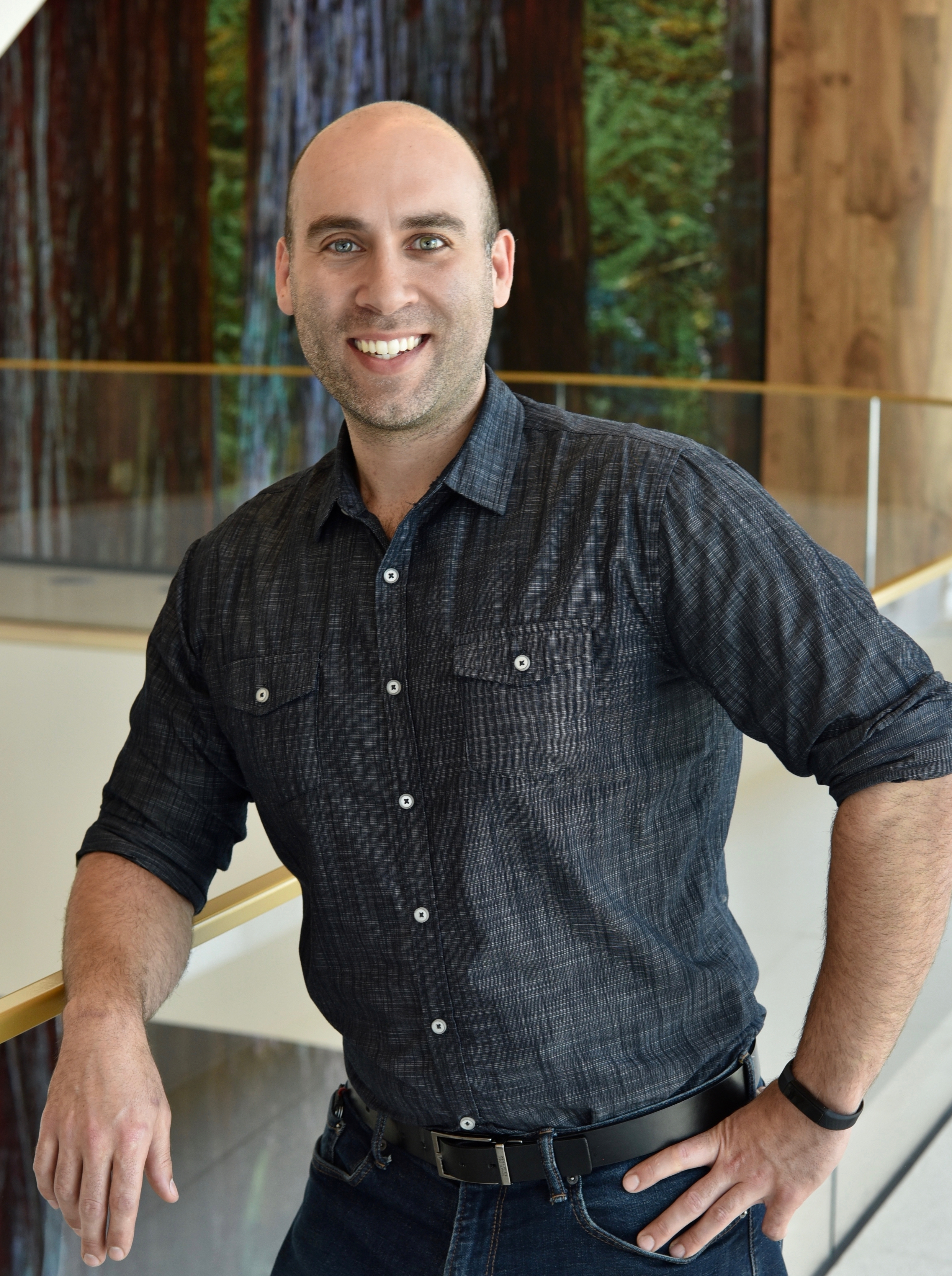
AJ Bubb
MXP Studio - Host & Moderator
Founder of MXP Studio. Focused on AI-accelerated development, go-to-market strategy, and helping technical professionals turn domain expertise into leverage.
Two hours. Nine segments. One live demo.
| Time (ET) | Segment | What to Expect |
|---|---|---|
| 1:00–1:08 | Welcome & Introduction | Meet Edward, set the stage, define the terms |
| 1:08–1:22 | The Problem | One thermostat, 97 years of compromise - the lived experience and the business case for change |
| 1:22–1:35 | Vibe Coding & the Toolchain | What specification-driven AI development actually means, and why this specific stack was chosen |
| 1:35–1:55 | 🖥️ Live Demo | Edward shares his screen - Home Assistant dashboard, Twin Manager, fault injection in real time |
| 1:55–2:05 | Test-Driven Development | Why TDD is non-negotiable for AI-generated code, with concrete bug examples |
| 2:05–2:15 | ⏸ Break + Audience Q&A | Drop your questions in the chat - we'll pull the best ones |
| 2:15–2:30 | Developer Experience | The human side - session rhythm, AI stalling out, prompt engineering |
| 2:30–2:42 | Business Impact & Scalability | Energy savings, incremental deployment, and replication across 50 buildings |
| 2:42–2:52 | What's Next | Broader industries, model comparisons, and where Vibe Coding still falls short |
| 2:52–3:00 | Actionable Close | Step one for developers, building owners, and leaders |
Watch the Full Recording
Missed the live event? Watch the complete webinar recording below.